
No Online Warrant Search in Covington County
There is no public active-warrant database for Covington County. A check of the county website, the Collins Municipal Court page, and the Mount Olive court page turned up no warrant search tool. The Sheriff's Office does not post a most-wanted list or a warrant lookup online. The county jail has no public roster either. This is common for small, rural Mississippi counties. Many records here move by phone and at the clerk's counter, not through a self-service site. So the absence of a portal does not mean a warrant has cleared. It only means the search has to happen the local way.
A warrant can sit with more than one office. The Sheriff holds county warrants and serves them. Justice Court issues bench warrants for missed county court dates. Collins Municipal Court and the Mount Olive town court issue warrants for city cases. Circuit Court adds capias orders to felony files. Each office is its own channel, so one phone call rarely covers them all. The safest plan is to start with the office that fits the charge, then confirm with the sheriff. Working each office in turn is the only sure way to confirm a warrant.
Types of Warrants in Covington County
Not every warrant works the same way. The type tells you which office issued it and how it can be cleared. A judge signs some after a missed court date. Others come from a sworn complaint and a finding of probable cause. A few are not county court warrants at all. The list below covers the kinds most often seen in Covington County and in the wider state system.
- Arrest warrant
- Issued after a judge finds probable cause that a person committed an offense.
- Bench warrant
- Signed by a judge after a failure to appear, contempt, a probation violation, nonpayment, or a failure to comply.
- Capias
- A custody order, often tied to a missed court duty or to post-judgment enforcement in a felony file.
- Search warrant
- Allows law enforcement to search a place or item, and is often sealed or not public before it is served.
- Fugitive warrant or hold
- Used when another state or county wants the person detained.
- Probation or parole warrant
- May come from state supervision, not only from a local court.
- ICE detainer
- An immigration hold, not a county court warrant, though it can still affect release.
How to Check for a Covington County Warrant
Checking for a warrant in Covington County starts with a phone call, not a search box. Begin with the Sheriff's Office, since the sheriff serves county warrants and runs the jail. A records request to the sheriff, made in writing under the state Public Records Act, is the formal route when a call is not enough. From there, the office that fits the charge gets the next call. A city ticket points to a city court. A felony points to the Circuit Court. The steps below put the offices in the right order.
Justice Court matters move fast in this county. The judges hold jail sessions three times each week, which protects the right to an initial appearance within three days of an arrest. That schedule means a county warrant can lead to a court date quickly. Many bench warrants here trace back to a missed Justice Court setting, a DUI, or a county ordinance charge. So a county-level question almost always belongs with the Justice Court clerk first.
- Call the Covington County Sheriff's Office at 601-765-8281 and ask whether a warrant is on file.
- For a county court date or a sheriff or highway-patrol ticket, call the Justice Court clerk at 601-765-6581.
- For a Collins city case, call Collins Municipal Court at 601-765-1657; for a Mount Olive matter, call the town court at 601-797-3496.
- For a felony, ask the Circuit Clerk at 601-765-6506 whether a capias has been entered in the case file.
- Put a written public-records request to the sheriff if a phone check does not settle the question.
Note: A name missing from any single office does not prove a person is clear, because each court and the sheriff keep separate warrant lists.
Where Covington County Warrants Are Held
Several offices touch warrants in Covington County, and each keeps its own list. The Sheriff's Office serves county warrants and books people into the jail. Justice Court issues bench warrants for county-level cases and DUIs. The two city courts handle their own municipal warrants. The Circuit Clerk holds felony files, where a capias may be entered against a defendant who misses a setting. Those felony entries become part of the county criminal court records. Felony warrant questions go to the Circuit Clerk at 601-765-6506 or to the sheriff. The cards below carry the direct contacts for the main offices.
Covington County Sheriff's Office
Sheriff Darrell M. Perkins
1107 Main Street
Collins, MS 39428
601-765-8281
Fax 601-765-3200
Covington County Justice Court
Cassity Booker, Justice Court Clerk
PO Box 665
Collins, MS 39428
601-765-6581
Fax 601-765-5014
Collins Municipal Court
202 Arrington Avenue, PO Box 400
Collins, MS 39428
601-765-1657
Monday to Friday, 8 a.m. to 5 p.m.
Mount Olive Municipal Court
501 South Main Street, PO Box 510
Mount Olive, MS 39119
601-797-3496
Monday to Friday, 8 a.m. to 4:30 p.m.
What to Do About an Outstanding Warrant
An open warrant does not go away on its own. Time tends to make it worse, since a missed date can add a bench warrant on top of the first charge. The goal is to clear it on your own terms, not during a traffic stop. That means finding the right office, learning the options, and getting legal advice before you act. A plan made in advance protects both your record and your freedom.
Mississippi runs a statewide public-defender system through the Office of State Public Defender.
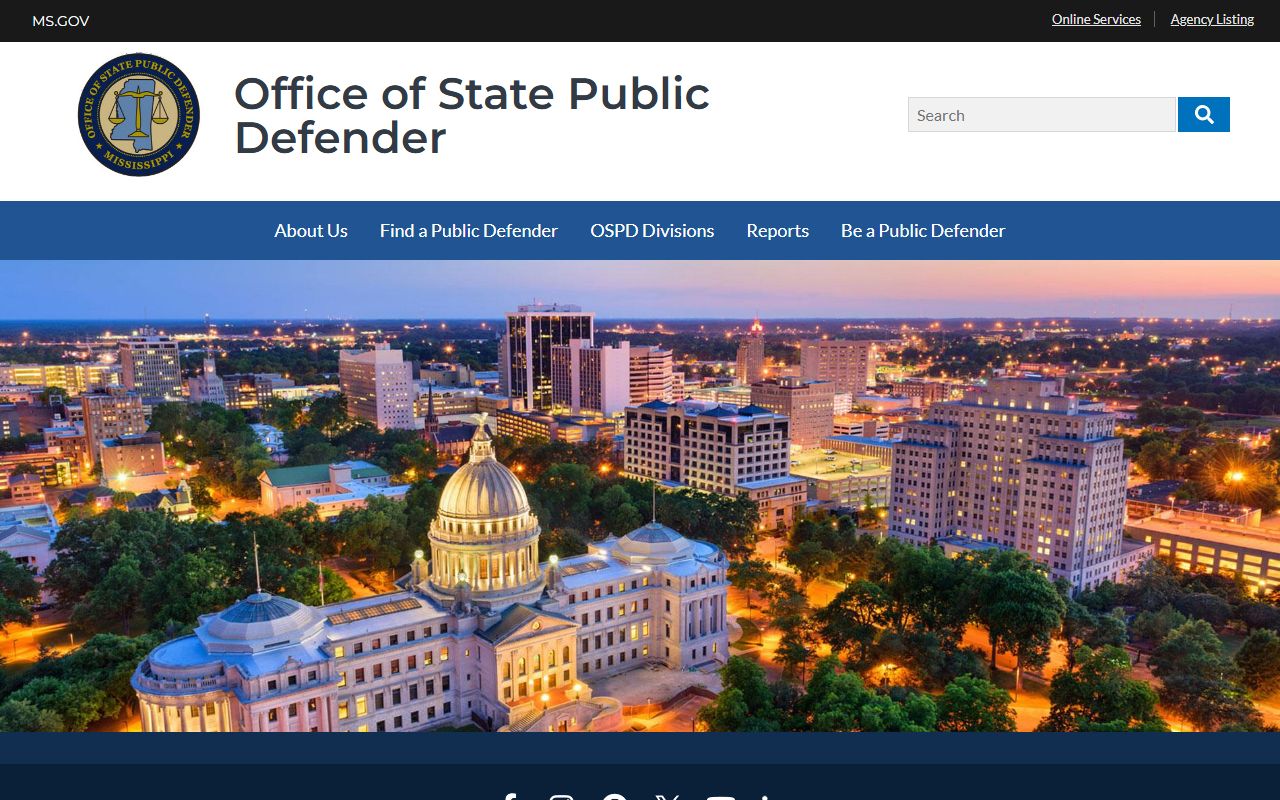
That statewide office mainly supports appeals, capital defense, family defense, and youth defense, so local felony trial defense in Covington County is usually handled by appointed counsel. Ask the Circuit Court or Justice Court hearing the case about a court-appointed lawyer. The steps below walk through clearing a warrant in order.
- Identify the issuing court or agency, since sheriff, Justice Court, city court, Circuit Court, and state or federal warrants are separate channels.
- Call the clerk or the sheriff before you appear, and ask whether the warrant clears by paying a fine, setting a court date, posting bond, or surrendering.
- Do not treat absence from a website as proof, because the county publishes no active-warrant search.
- For a city ticket, call the court that wrote the citation; for a county, sheriff, or highway-patrol matter, call Justice Court; for a felony, call the Circuit Clerk or the sheriff.
- If the person may be in custody, call the sheriff or the jail.
- For an out-of-state or federal warrant, contact an attorney and the issuing agency, since local staff may only confirm local holds.
- After it clears, ask how long the update takes and whether the clerk notifies law enforcement, DPS, or another agency.
Important: Talk to a lawyer before you turn yourself in on any warrant, since a bond plan and a court date set in advance can prevent a needless night in jail.
Warrant Searches Beyond Covington County
Some warrant questions reach past the county line. Mississippi keeps a statewide sex offender registry that the public can search through the Department of Public Safety.
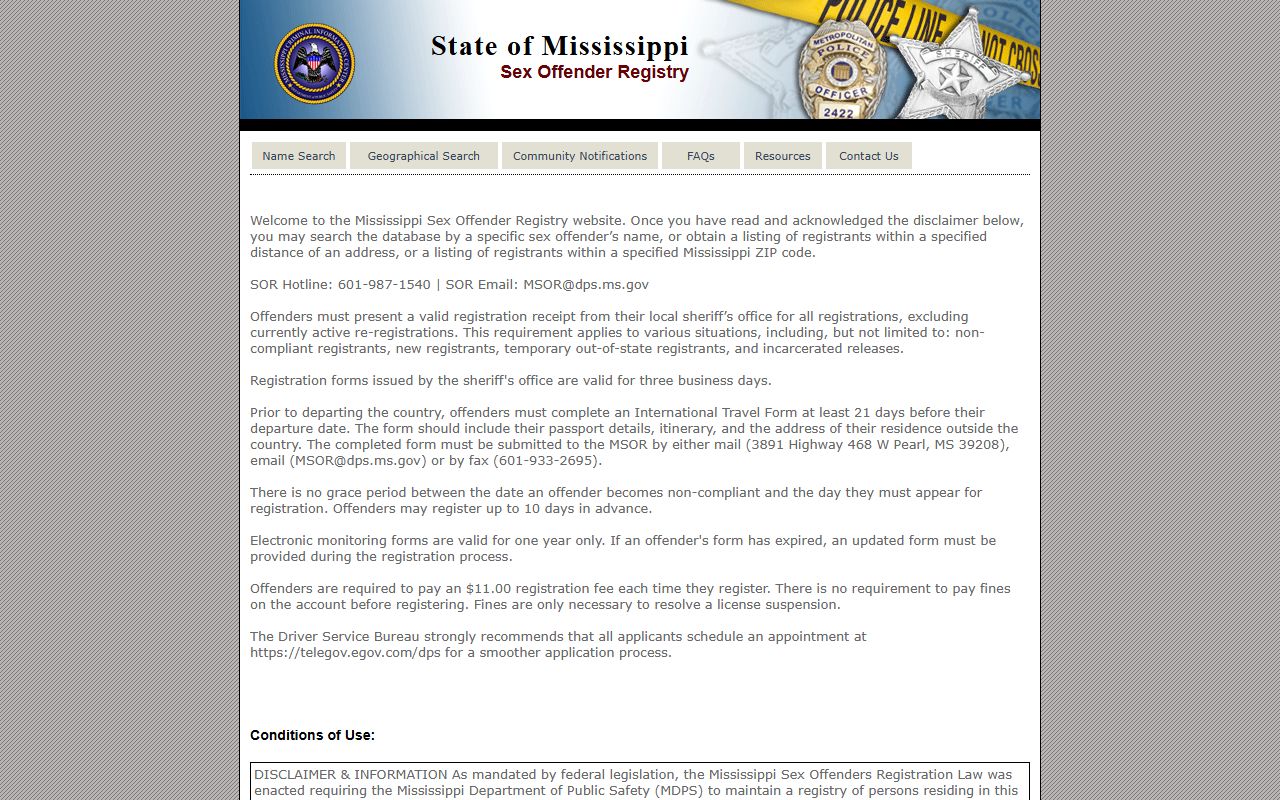
The registry is a public-safety lookup, not a warrant list, but it is the right state tool when the concern is a registered offender rather than a pending charge. It searches by name and by area, and it pulls from records across the whole state.
Federal warrants and fugitive cases are not county matters. The U.S. Marshals Service for the Southern District of Mississippi handles federal warrants and prisoner transport for this region. A person already sentenced to state prison appears in the Mississippi Department of Corrections search, which is separate from any county jail file. Someone held by the county shows up only by calling the jail, and the county inmate records page maps that channel.
Public Access Limits on Covington County Warrants
Warrant records in Mississippi follow the Public Records Act, but several limits apply. A search warrant is often sealed before it is served, so it is not public early on. Records tied to a youth case are confidential by law. Investigative material may be withheld, though incident reports stay public. When a record holds protected data, the office redacts the exempt parts and releases the rest. The first question is always which public body holds the record.
Key Statutes:
Miss. Code Ann. § 25-61-5 - Any person may inspect or copy nonexempt public records under reasonable written procedures.
Miss. Code Ann. § 25-61-12 - Personal data of officers, judges, and prosecutors is exempt, and investigative reports may be withheld, while incident reports stay public.
No official Covington County sample warrant record was found, so the exact fields a local warrant shows cannot be listed here. Third-party warrant sites are not reliable substitutes, and they are not used by the county or its courts. The accurate source is always the office that issued the warrant.
Routing depends on where the case lives. Circuit and felony case records flow to the Circuit Clerk and to Mississippi Electronic Courts when eligible. Justice Court and city court records have no public search portal, so they require direct contact with the local clerk. A youth case, an adoption file, and a sealed matter are kept out of ordinary public access by statute or court order. If a record mixes public and exempt data, the agency should release the public parts after redaction. None of these limits change the basic path, since the office that holds the file is still the place to start.
Note: A sealed search warrant usually becomes part of the public file only after it is served and the court allows access.